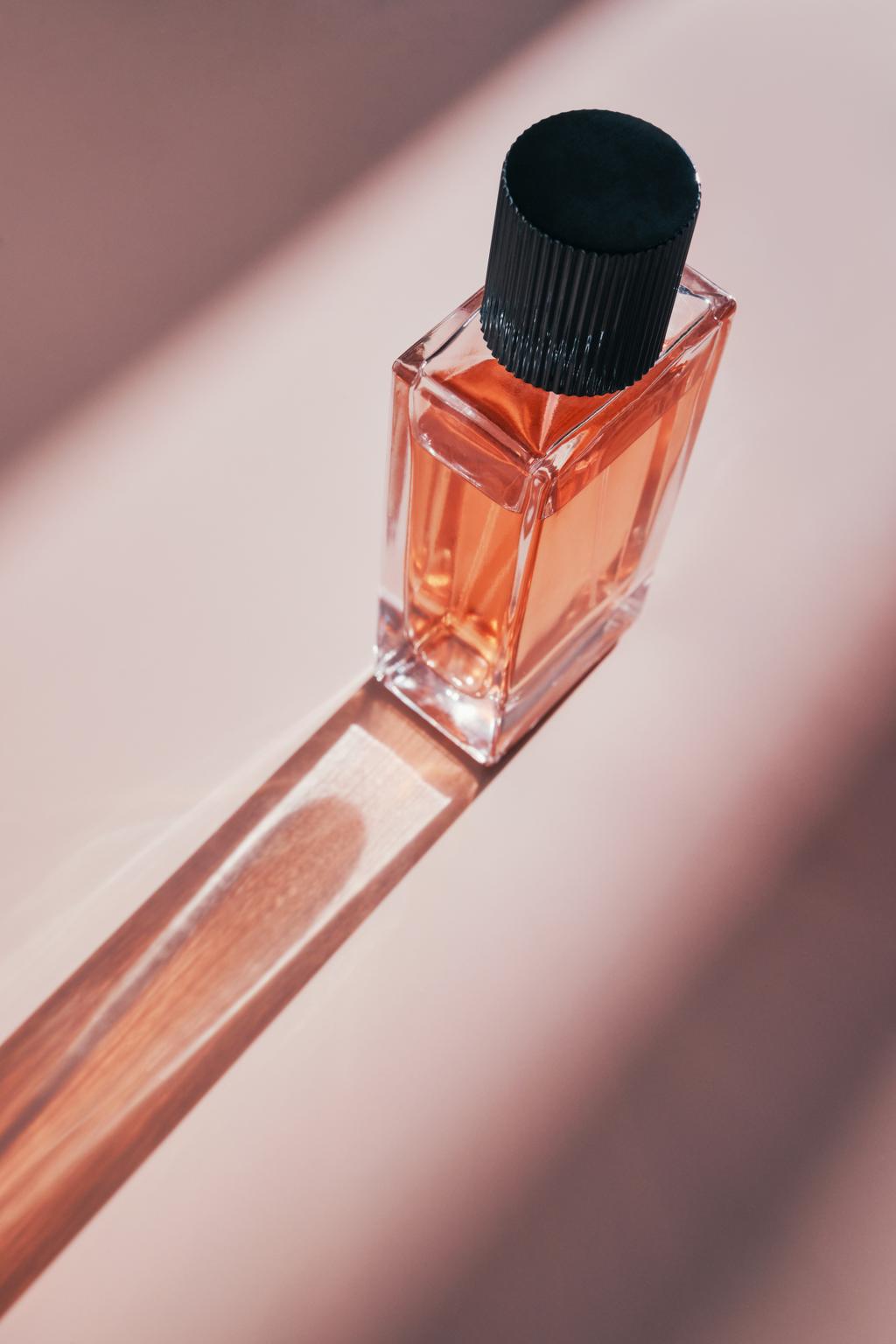
When Fragrance Was a Form of Care
There was a time when perfume was not a finishing touch, but a foundational ritual. In the ancient world, scent and skincare were inseparable—perfumed oils were applied not only to delight the senses, but to nourish, protect, and preserve the skin.
Across Egypt, Persia, and the Indian subcontinent, aromatic oils were revered as both luxury and necessity. They were worn on the skin, used in daily cleansing, and incorporated into ceremonial rites. To anoint oneself with oil was an act of refinement, but also of restoration—an understanding that fragrance, when derived from nature, carried tangible benefits for the body.
Today, as modern skincare circles back to oil-based formulations, these ancient elixirs feel less like relics and more like early blueprints for holistic beauty.
Origins: Where Scent Meets Science
In ancient Egypt, perfumed oils were crafted with remarkable sophistication. Ingredients such as myrrh, frankincense, and lotus were infused into carrier oils, creating blends that softened the skin while imparting a distinctive, lingering scent. These preparations were stored in alabaster vessels and used by both royalty and everyday citizens, reflecting a culture that viewed skincare as essential rather than indulgent.
In the Persian empire, rose oil became a symbol of both beauty and innovation. Early distillation techniques refined the extraction of aromatic compounds, resulting in oils prized for their calming and rejuvenating properties.
Meanwhile, in India, the tradition of attar flourished. Crafted through slow distillation into a base of sandalwood oil, attars captured the essence of flowers, herbs, and spices. These blends were applied directly to the skin, where their botanical richness offered both fragrance and therapeutic benefit.
Across these regions, the philosophy was consistent: scent should not merely adorn the body—it should support it.
Techniques: The Art of Infusion and Distillation
What distinguished ancient perfume oils from modern alcohol-based fragrances was their method of creation. Rather than isolating scent alone, these oils preserved the integrity of the plant.
Two primary techniques defined the craft:
Infusion
Botanicals such as petals, resins, and woods were steeped in oils—often olive, sesame, or almond—allowing their aromatic and beneficial compounds to slowly transfer. This method retained a full spectrum of nutrients, resulting in oils that were both fragrant and nourishing.
Distillation
More advanced processes, particularly in Persian and Indian traditions, used steam distillation to extract concentrated essences. When blended with carrier oils, these distillates created lightweight yet potent formulations.
The result was a product that functioned on multiple levels: it scented the skin, sealed in moisture, and delivered bioactive compounds that supported skin health.
Why These Oils Were Considered Anti-Aging
While the term “anti-aging” is modern, the intention behind these oils was timeless: to preserve the skin’s vitality and resilience.
Many of the botanicals used in ancient perfume oils are now recognized for their skin-supporting properties:
- Rose oil helps maintain hydration and improves the appearance of fine lines
- Frankincense is associated with firming and soothing effects
- Myrrh supports skin repair and resilience
- Sandalwood calms inflammation and enhances smoothness
Crucially, these oils were always blended with nourishing bases. This combination created a protective layer on the skin, reducing moisture loss and shielding against environmental stress—factors we now understand to be central to visible aging.
In essence, these perfume oils functioned as early facial oils, delivering both sensory pleasure and structural support.
Enduring Relevance: A Return to Oil-Based Beauty
Modern skincare has, in many ways, rediscovered what ancient cultures practiced intuitively. Facial oils, once overlooked, are now recognized for their ability to restore balance, particularly in an era of over-cleansing and active-heavy routines.
What sets traditional perfume oils apart is their integration of scent and care. They encourage a slower, more intentional approach—one where application becomes a moment of pause rather than a step to complete.
As consumers seek formulations that are both effective and sensorial, these oils offer a compelling alternative to synthetic fragrance and overly complex treatments. They remind us that beauty can be both functional and experiential.
Clear Takeaways for Today
- Oil is not the enemy: When well-formulated, it supports hydration and strengthens the skin barrier
- Fragrance can be beneficial: Natural aromatic compounds often carry skin-supporting properties
- Simplicity has value: Multi-functional oils reduce the need for excessive layering
- Ritual enhances results: Taking time to apply oils mindfully can improve both skin health and well-being
- Heritage informs innovation: Many modern “discoveries” are rooted in ancient practice
A Subtle Indulgence with Lasting Impact
The enduring appeal of ancient perfume oils lies in their duality. They are at once intimate and expansive—deeply personal in scent, yet universally beneficial in function.
In revisiting these elixirs, we are not simply borrowing from the past. We are reconnecting with a philosophy that views beauty as a balance between care and pleasure, science and ritual.
And in that balance, the skin—much like the spirit—tends to thrive.
Leave a Reply