Rest Isn’t a Break — It’s a Skill We’ve Forgotten
We don’t really rest anymore. We pause, briefly, between notifications. We scroll in the name of “switching off.” We treat downtime as something to earn after productivity has been proven.
But real rest—the kind that restores rather than distracts—has quietly slipped out of our cultural muscle memory.
What’s striking is that our bodies haven’t forgotten. They still operate on older rules: rhythms of tension and release, effort and recovery. When those rhythms are ignored, something begins to feel off. Not dramatically at first. Just a low hum of fatigue, a shortened fuse, sleep that doesn’t quite land.
In the language of traditional Chinese medicine, this imbalance has a name: disrupted qi. Not mystical energy in the abstract, but a way of describing how vitality flows—or fails to flow—through the body.
In 2025, with burnout now less a phase and more a baseline, the idea of balancing qi feels less like ancient philosophy and more like overdue common sense.
Before Burnout Had a Name
Long before productivity apps and wearable trackers, cultures built stillness into daily life—not as an escape, but as maintenance.
In classical Chinese philosophy, the concept of wu wei encouraged a kind of intelligent non-striving: acting in harmony with natural forces rather than pushing against them. Health wasn’t about maximizing output; it was about sustaining balance.
Practices like tai chi and qigong evolved from this worldview. Their slow, deliberate movements weren’t designed for spectacle or speed, but for circulation—of breath, of awareness, of qi itself.
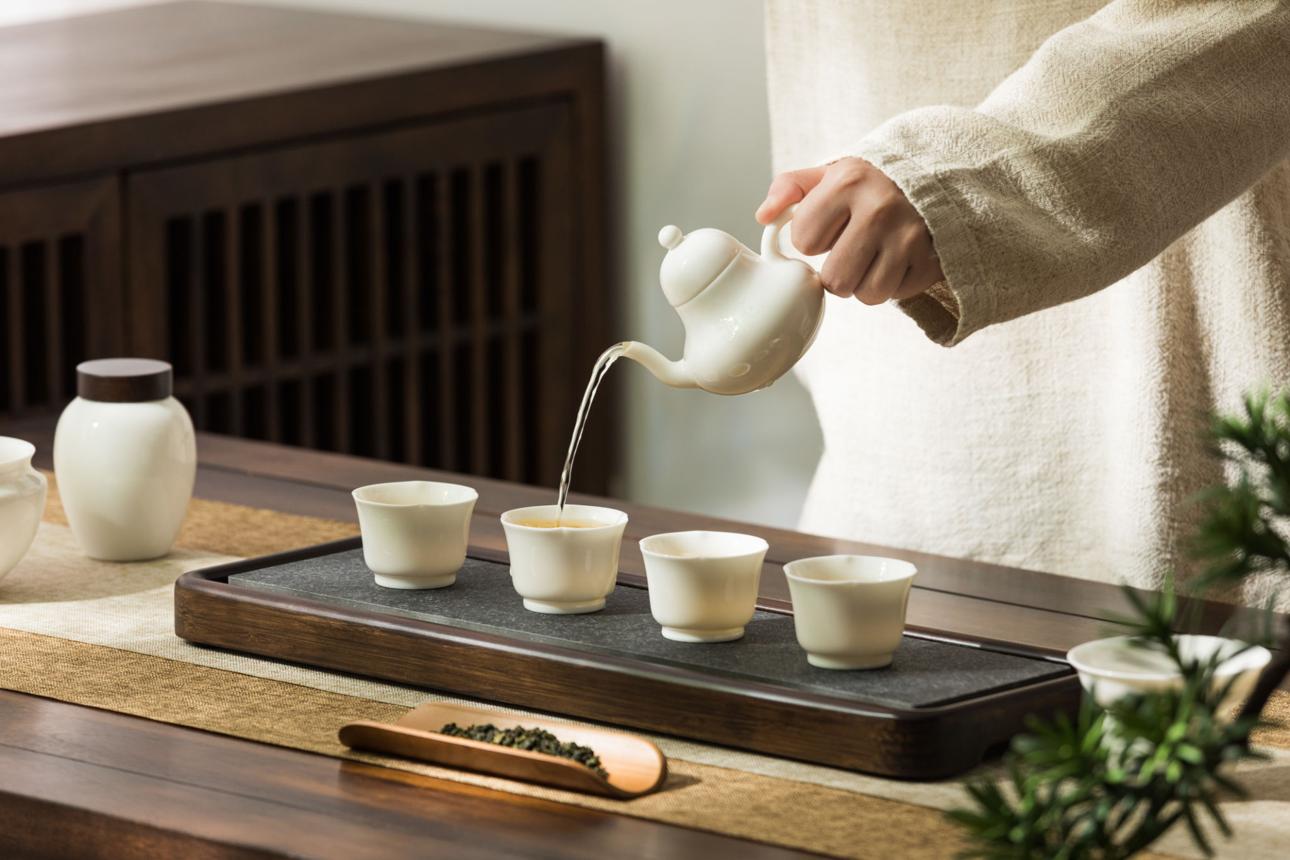
Elsewhere, similar ideas took different forms. Japanese culture honors ma, the pause that gives meaning to action. In parts of Europe, the afternoon rest period was once a social norm, not a guilty indulgence. Even traditional tea rituals, across multiple cultures, carved out moments of intentional slowness.
What connects these practices is not their form, but their premise: that doing less, at the right time, allows the system to function better overall.
Qi, Explained for a Modern Mind
For many, the concept of qi can feel intangible. But if you translate it into modern terms, it begins to resonate.
Think of qi as the body’s capacity to regulate itself—its ability to move between states of activation and recovery. In scientific language, this aligns closely with the nervous system’s balance between the sympathetic (“fight or flight”) and parasympathetic (“rest and digest”) modes.
When qi is “stagnant,” traditional practitioners might describe symptoms like fatigue, irritability, or tightness in the chest. Modern research would point to chronic stress, elevated cortisol, and reduced heart rate variability.
Different frameworks, same observation: when the system is stuck in overdrive, both mind and body pay the price.
Studies over the past two decades have added weight to what ancient systems observed intuitively. Gentle, mindful movement practices—like tai chi and qigong—have been shown to improve balance, reduce anxiety, and support cardiovascular health. Slow breathing techniques can lower blood pressure and enhance emotional regulation. Periods of intentional rest improve cognitive function and resilience.
None of this requires belief in qi as a concept. The body responds regardless.
Why Stillness Feels So Unnatural Now
If the benefits are clear, the resistance is equally real.
Stillness can feel unfamiliar because it removes the noise we’ve grown used to. Without constant input, attention turns inward. That can mean noticing tension we’ve been ignoring, or emotions we haven’t fully processed.
There’s also the cultural layer. We’ve been trained to equate motion with meaning. To be busy is to be relevant. To pause is to risk falling behind.
But the body doesn’t interpret things that way. To it, constant motion without recovery is not ambition. It’s strain.
And strain, over time, becomes burnout.
The Subtle Power of Rebalancing
Rebalancing qi—whether you use that term or not—is less about adding something new and more about restoring what’s been crowded out.
When the body shifts out of chronic stress mode, changes happen quietly:
Energy stabilizes. Not the jittery kind fueled by caffeine, but a steadier, more sustainable baseline.
Sleep deepens. The body no longer needs to stay partially alert, making true rest possible.
Focus sharpens. With less internal noise, attention becomes more precise.
Emotional responses soften. You react less from habit and more from awareness.
These are not dramatic overnight transformations. They’re incremental adjustments that accumulate, often unnoticed, until life begins to feel more manageable again.
Returning to Stillness, Practically
Reclaiming stillness doesn’t require a lifestyle overhaul. It starts with small shifts that signal to the body that it’s safe to slow down.
1. Begin with a shorter pause than you think you need.
Five minutes of quiet can be more effective than an hour you resist. Sit without a task. Let the mind wander without trying to control it.
2. Move slowly, on purpose.
Try a few minutes of gentle stretching or simple, unhurried movements. The goal isn’t intensity; it’s awareness. Pay attention to how your body feels as it moves.
3. Use your breath as an anchor.
Extend your exhale slightly longer than your inhale. This subtle shift encourages the nervous system to settle.
4. Create a daily “edge of silence.”
Choose a moment—morning tea, a walk, the transition before bed—where you remove input. No music, no scrolling. Just the environment as it is.
5. Let rest be enough.
Resist the urge to measure or optimize the experience. Not every quiet moment needs to produce insight. Sometimes, its value lies in what it prevents: accumulation of stress.
An Ancient Idea, A Modern Need
Qi balance may come from an older vocabulary, but its relevance feels distinctly current.
We live in an age that excels at stimulation and struggles with recovery. The result is a kind of collective fatigue that no amount of productivity can resolve.
Relearning stillness is not about rejecting modern life. It’s about making it livable.
Because beneath the language of qi, beneath the research and the rituals, there’s a simple truth: the body functions best when it’s allowed to return to itself.
And that return doesn’t happen through more effort.
It begins, quietly, with less.
Leave a Reply