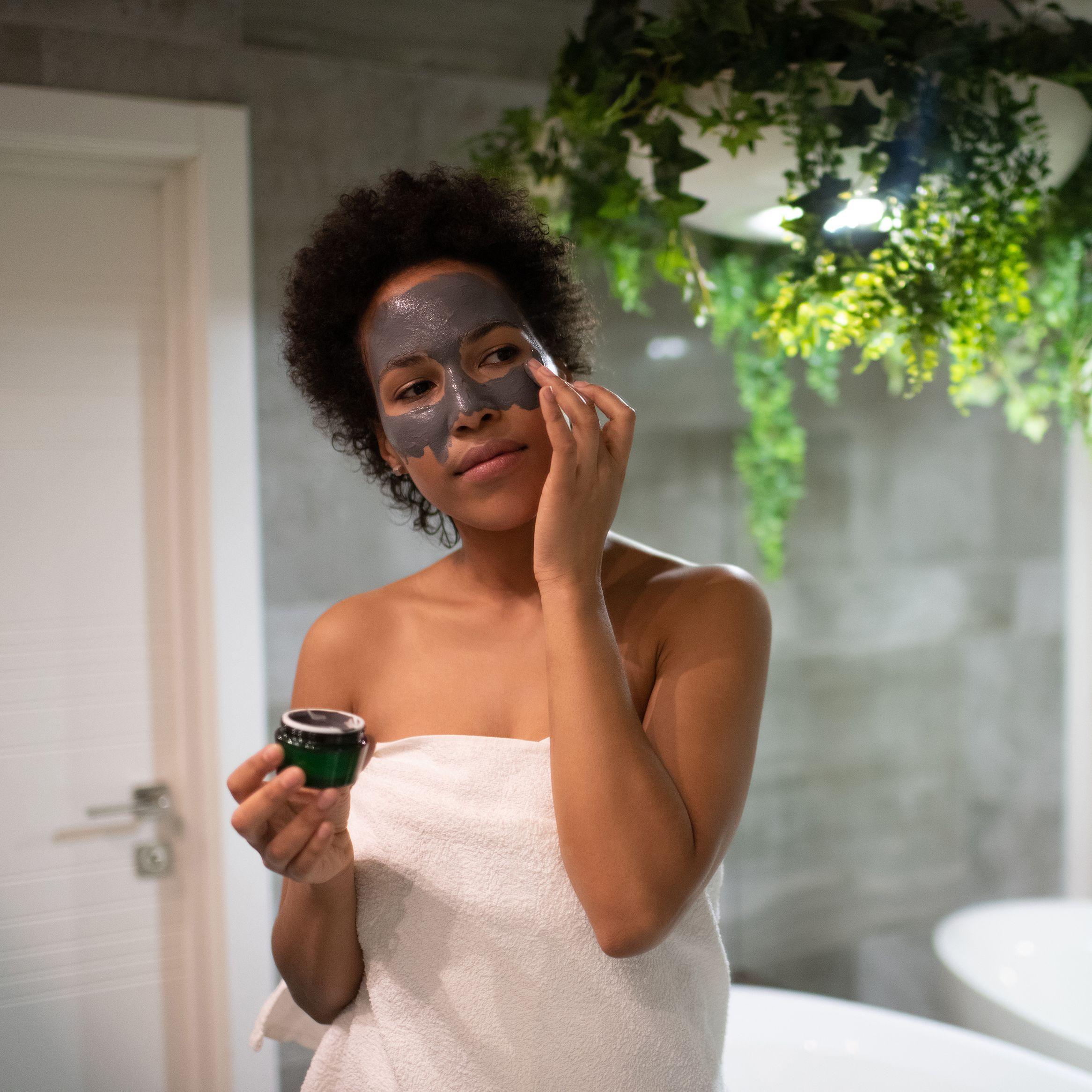
A Ritual, Not a Routine
Long before skincare became a category—before serums lined glass shelves and routines were reduced to steps—beauty existed as ritual. In ancient civilizations, clay masks were not merely cosmetic indulgences; they were acts of purification, healing, and, in many cultures, spiritual alignment.
Across the banks of the Nile, in the thermal baths of Rome, and within the herbal traditions of India, clay was revered as a material that connected the human body to the earth itself. It was elemental, unprocessed, and deeply symbolic. To apply clay to the skin was, in essence, to return to origin—to cleanse not just the surface, but the self.
Origins: Earth as Medicine
Clay’s sacred status begins with its ubiquity and purity. Naturally occurring and mineral-rich, different types of clay—kaolin, bentonite, rhassoul—were sourced from specific regions and prized for their distinct properties.
In ancient Egypt, clay masks were used by both royalty and commoners, often blended with oils and botanicals. These formulations were believed to draw out impurities and restore balance, aligning with a broader philosophy that beauty reflected internal harmony.
In Greco-Roman traditions, clay was integrated into bathing rituals. Roman bathhouses used mineral-rich muds as part of elaborate cleansing ceremonies, where physical purification mirrored social and even moral renewal.
Meanwhile, Ayurvedic practices in India treated clay as a cooling, detoxifying agent. Applied to the face and body, it was thought to regulate heat, soothe inflammation, and rebalance the body’s energies.
Across these cultures, the message was consistent: clay was not just functional—it was transformative.
Techniques: The Art of Application
What distinguished ancient clay masking from modern quick-fix treatments was intention. Preparation and application were deliberate, often ceremonial.
Clay was rarely used alone. It was mixed with rose water, herbal infusions, oils, or even fermented ingredients, creating bespoke blends tailored to individual needs. Application was slow, often accompanied by rest or meditation, allowing the mask to dry gradually as it absorbed excess oil and impurities.
Importantly, removal was just as mindful. Rather than scrubbing, masks were softened with water and gently lifted away, preserving the skin’s natural barrier.
This approach underscores a key principle: clay masks were not about instant results, but about balance over time.
Why Clay Was Considered Sacred
The reverence for clay masks stems from three intertwined ideas:
1. Connection to Nature
Clay represented the earth in its purest form. Applying it to the skin was seen as grounding—an act that reconnected the body to natural cycles and elements.
2. Detoxification as Renewal
The ability of clay to absorb toxins and excess oils gave it an almost mystical quality. It was believed to draw out not just physical impurities, but negative energies.
3. Ritual as Self-Respect
Taking time for such practices signaled care and intention. In societies where daily life was demanding, these rituals became moments of restoration and dignity.
Enduring Relevance in Modern Skincare
Despite centuries of innovation, clay masks have retained their place in contemporary beauty—and not out of nostalgia alone.
Today’s formulations may be more refined, but the core benefits remain unchanged. Clay continues to:
- Absorb excess oil without overly stripping the skin
- Draw out impurities from pores
- Soothe inflammation and calm breakouts
- Improve texture and clarity over time
What has shifted is our relationship with time. Where ancient rituals encouraged stillness, modern routines often prioritize speed. Yet, the resurgence of interest in slow beauty suggests a quiet return to those earlier philosophies.
Clay masks, in this context, feel less like a trend and more like a rediscovery.
Clear Takeaways for Today
- Simplicity still works: Clay’s effectiveness lies in its natural composition, not complexity.
- Consistency matters more than intensity: Regular, gentle use delivers better results than occasional overuse.
- Ritual enhances results: Taking time to apply and remove a mask mindfully can improve both skin and overall well-being.
- Balance is the goal: Clay is most effective when used to support the skin, not to aggressively “fix” it.
A Quiet Luxury Rooted in Earth
In an era defined by innovation, clay masks remind us that some of the most enduring beauty practices are also the most elemental. Their sacred history is not just a story of the past—it is an invitation to approach skincare with greater intention.
Not as a routine to complete, but as a ritual to return to.
Leave a Reply