Rest Is Not a Pause — It’s a Skill We’ve Drifted Away From
We’ve become efficient at filling time.
Even moments meant for rest are rarely empty. A quiet evening turns into background noise. A morning begins with a screen before the body has fully arrived. We move quickly, not always because we need to, but because stillness has started to feel unfamiliar.
And yet, beneath that momentum, there is a quieter signal most of us recognize: a kind of fatigue that doesn’t quite resolve, a sense that something essential is missing.
It isn’t just sleep.
It’s the absence of contact—with light, with nature, with rhythms that exist outside of urgency.
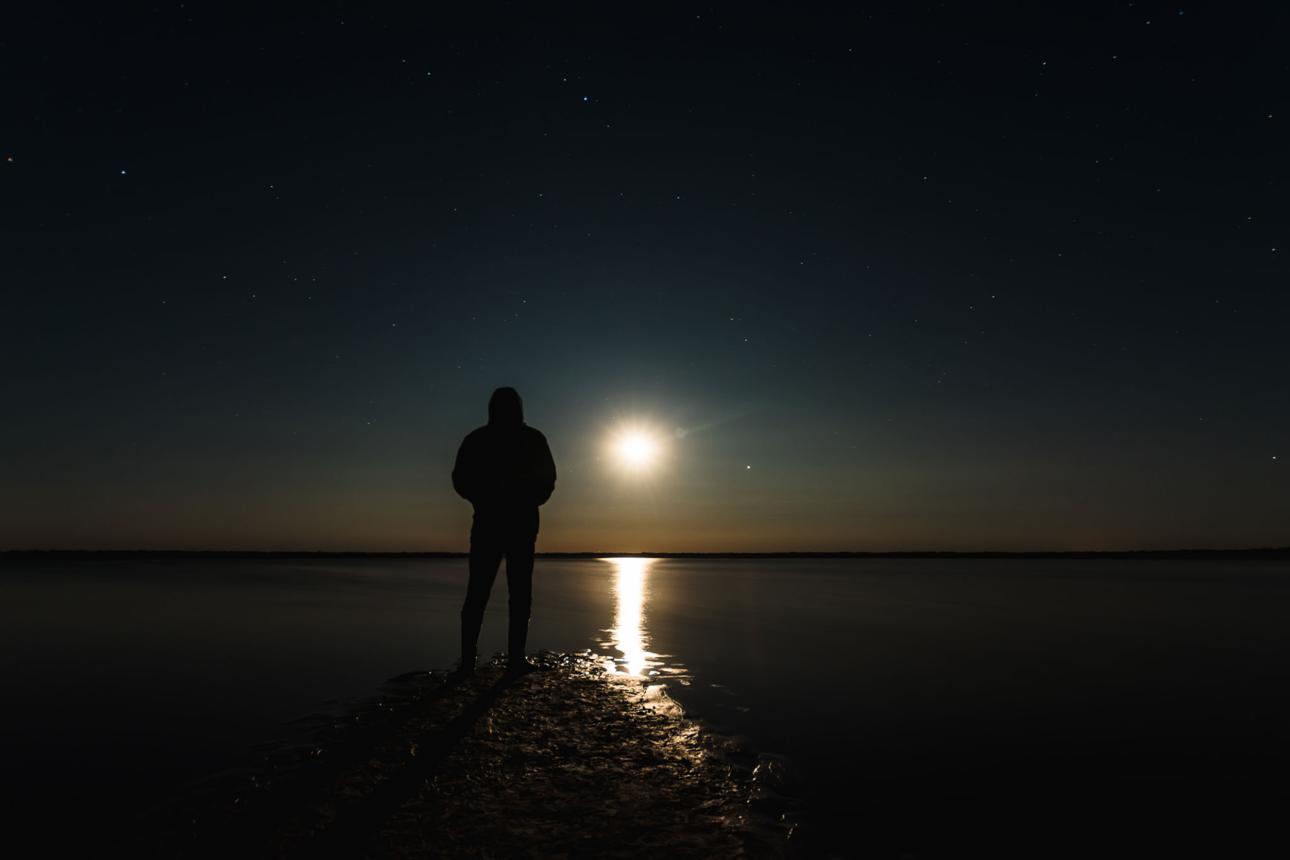
Practices like moon bathing, gentle sun exposure, and time spent in forests may sound poetic, even indulgent. But they point toward something practical: ways of restoring balance in a system that has been pulled too far into constant stimulation.
In that sense, rest is not a break from life.
It’s a way back into it.
When Nature Was the Rhythm, Not the Escape
Before digital time—before schedules dictated by devices—human life moved in conversation with the natural world.
The rising and setting of the sun structured activity. Nightfall signaled a gradual slowing. Seasonal shifts influenced not just work, but mood, diet, and social life.
Across cultures, this relationship was reflected in everyday practices.
In many ancient traditions, exposure to early morning sunlight was considered essential—not as a wellness tip, but as part of waking up. Moonlit evenings were spaces for quiet gathering, reflection, or simple presence under open skies.
In Japan, shinrin-yoku, or forest bathing, emerged as a way of immersing the senses in natural environments. It was not about distance or intensity, but about attention—walking slowly, noticing, allowing the environment to shape internal state.
Even in less formal contexts, people spent time outdoors without purpose. Sitting, observing, waiting. These were not practices to be optimized. They were conditions of life.
What they provided, consistently, was regulation.
Light, Trees, and the Nervous System
Modern research has begun to map the effects of these seemingly simple experiences.
Natural light plays a central role in regulating circadian rhythms—the internal clock that governs sleep, hormone release, and energy levels. Exposure to morning sunlight helps anchor this rhythm, improving sleep quality and daytime alertness.
Gentle exposure to sunlight also supports vitamin D production, which influences immune function and mood. While direct sun gazing is not recommended for eye safety, indirect exposure—especially during early morning or late afternoon—can be beneficial.
Moonlight, while less studied, contributes to a broader shift in environmental cues. Lower light levels in the evening signal the body to produce melatonin, preparing for rest. Time spent outdoors at night, away from artificial light, reinforces this natural transition.
Forests offer a different kind of input.
Studies have shown that time spent in wooded environments can reduce cortisol levels, lower blood pressure, and improve overall mood. Part of this effect is sensory—natural sounds, filtered light, organic movement. Another factor may be phytoncides, compounds released by trees that have been linked to immune support.
Together, these elements create a pattern:
When we step into natural environments, the body begins to recalibrate.
Not dramatically, but steadily.
Why These Practices Feel Distant
If these forms of healing are so accessible, why do they feel out of reach?
Partly, it’s structural. Modern life is built indoors. Work, entertainment, communication—all mediated through screens and enclosed spaces.
But there’s also a shift in attention.
We’ve become used to environments that demand focus—notifications, updates, constant information. Nature, by contrast, does not demand. It offers.
This difference can feel subtle at first, even underwhelming. Without the familiar cues of stimulation, the mind may drift or seek distraction.
Given time, however, something changes.
Attention softens. Breathing deepens. The body begins to settle into a different rhythm.
The Quiet Effects of Reconnection
Engaging with natural cycles and environments doesn’t produce immediate transformation.
Instead, it creates a gradual shift.
Energy becomes more consistent.
Aligned with natural light cycles, rather than artificial peaks and crashes.
Sleep improves.
The body recognizes clearer signals for waking and resting.
Stress responses soften.
The nervous system spends more time in recovery mode.
Awareness deepens.
Without constant input, subtle internal signals become easier to notice.
These changes are easy to overlook because they don’t announce themselves.
But they shape how we experience each day.
Reclaiming Stillness in a Modern World
You don’t need to adopt elaborate rituals to begin reconnecting with these rhythms. Small, consistent moments are enough.
1. Begin the day with natural light.
Step outside in the morning, even briefly. Let your eyes adjust to daylight without a screen competing for attention.
2. Let evenings dim gradually.
Reduce artificial lighting before bed. If possible, spend a few minutes outside at night, allowing your body to sense the transition.
3. Spend time in green spaces without a goal.
A park, a garden, a tree-lined street. Move slowly. Let your attention rest on the environment.
4. Notice sensory details.
The way light shifts, the texture of leaves, the sound of wind. This isn’t about mindfulness as a technique, but awareness as a state.
5. Allow moments of unstructured time.
Not everything needs to be filled. Stillness often emerges when there is nothing else competing for it.
A Different Kind of Healing
Moon baths, sunlight, forest air—these are not cures in the conventional sense.
They are reminders.
Reminders that the body is designed to respond to rhythms beyond the digital.
That rest is not something we manufacture, but something we allow.
That healing often begins not with adding more, but with returning to what has always been available.
In a world that rarely slows down, these quiet practices offer something simple and often overlooked:
A way to come back to yourself, without needing to go anywhere at all.
Leave a Reply