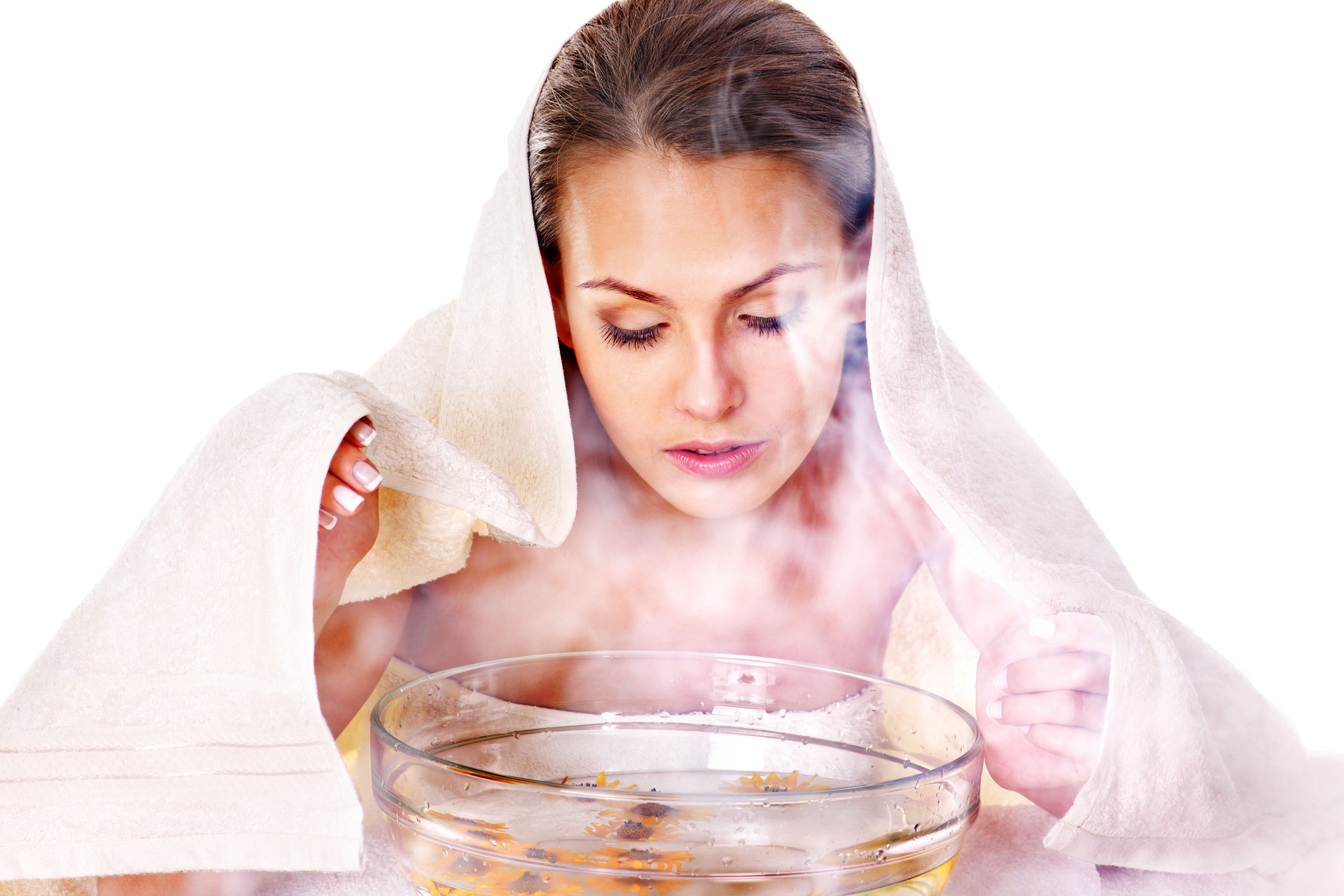
There is something quietly transformative about steam.
Before the first drop of skincare touches the face, before serums and creams promise renewal, there is the moment when warmth rises from water infused with leaves, flowers, and roots. The air softens. The breath slows. The skin begins to awaken.
Herbal steaming—once a simple household ritual across many cultures—is finding its way back into modern wellness routines. Not because it is fashionable, but because it answers a deeper longing: the desire for beauty practices that feel both restorative and meaningful.
In an era of advanced skincare technology and increasingly complex routines, this centuries-old ritual reminds us that sometimes the most effective forms of care are also the most elemental.
Warm water. Fragrant herbs. A few uninterrupted minutes.
A Tradition Shared Across Cultures
Long before steam became associated with spa treatments, it existed as a form of everyday care.
Across East Asia, herbal facial steaming was traditionally used to cleanse and prepare the skin before applying botanical oils or rice-based treatments. In parts of Europe, herbal vapors infused with chamomile, rosemary, or lavender were used not only for skin health but also to soothe the respiratory system during colder months.
Traditional Ayurvedic practices in India incorporated herbal steam therapy—known as swedana—to encourage circulation, relaxation, and detoxification through gentle sweating. In North African hammams, steam rooms infused with aromatic botanicals formed part of elaborate cleansing rituals designed to purify both body and mind.
Although the herbs differed by region, the underlying philosophy remained remarkably similar.
Heat, moisture, and plant compounds working together to awaken the body’s natural systems.
These traditions understood something that modern wellness culture is only beginning to articulate: beauty and well-being have always been deeply intertwined.
Why Steam Matters for the Skin
At its most basic level, steam performs a simple physiological task.
It softens.
When warm vapor touches the skin, it gently increases the temperature of the outer layers of the epidermis. This process temporarily dilates pores and loosens the buildup of oil, dirt, and dead skin cells that accumulate throughout the day.
The result is skin that becomes more receptive to cleansing and hydration.
But the benefits go beyond basic preparation.
Steam also promotes circulation by increasing blood flow to the surface of the skin. This enhanced circulation delivers oxygen and nutrients that support the skin’s natural renewal processes. The subtle flush that appears after steaming is not merely cosmetic—it reflects the skin’s dynamic response to warmth and stimulation.
In addition, the moisture from steam temporarily improves the skin’s hydration balance, helping to soften texture and prepare the face to absorb serums, masks, or oils applied afterward.
In other words, steam doesn’t replace skincare. It enhances it.
The Botanical Dimension
What transforms simple steam into herbal steaming is the addition of plants.
For centuries, people have relied on herbs not only for flavor or fragrance but for their bioactive compounds—natural molecules that interact with the body in subtle but meaningful ways.
Different herbs offer different benefits when infused into steaming water:
Chamomile is widely appreciated for its calming properties, often chosen to soothe sensitive or irritated skin.
Lavender contributes a gentle aromatic effect that encourages relaxation while offering mild antimicrobial properties.
Rose petals provide hydration-supporting compounds and antioxidants that complement the skin’s natural barrier.
Rosemary and mint can stimulate circulation and create an invigorating sensory experience.
As the hot water releases these volatile plant compounds into the air, they become part of the steam itself. The skin absorbs the warmth, while the lungs and nervous system respond to the aroma.
This dual interaction—physical and sensory—is what makes herbal steaming feel less like a treatment and more like a ritual.
The Psychology of Warmth and Pause
Modern skincare often emphasizes measurable outcomes: reduced wrinkles, improved texture, brighter tone. Yet rituals like herbal steaming offer something more difficult to quantify.
They create space.
Steam naturally slows the body’s rhythms. Warmth signals the nervous system to shift toward its parasympathetic state—the mode associated with relaxation and restoration.
Breathing becomes deeper. Muscles soften. Thoughts quiet.
In psychological terms, rituals that combine warmth, scent, and touch can act as anchors for mindfulness. They invite us to move away from productivity and toward presence.
This is perhaps why so many people describe herbal steaming as emotionally restorative. The ritual does not merely care for the skin; it recalibrates the mind.
In a culture that often treats beauty as something to be optimized, herbal steaming quietly reframes it as something to be experienced.
Bringing the Ritual Into Modern Life
Despite its ancient roots, herbal steaming requires very little to practice at home.
A bowl of hot water, a small handful of herbs, and a towel to gently trap the steam are often all that is needed. The face is held comfortably above the rising warmth for several minutes while breathing slowly and allowing the vapor to touch the skin.
What matters most is not the complexity of the ingredients but the intention behind the ritual.
Choosing herbs thoughtfully. Allowing time to pause. Following the steam with nourishing skincare that seals in hydration.
Practiced once or twice a week, herbal steaming can complement a modern skincare routine by preparing the skin for deeper cleansing or treatment.
But perhaps its greatest contribution lies elsewhere.
It reminds us that skincare can be something more than maintenance.
It can be a moment of care.
A Philosophy of Gentle Beauty
The resurgence of herbal steaming reflects a larger shift within contemporary wellness culture.
People are beginning to rediscover practices that emphasize harmony rather than correction—rituals that work with the body’s natural rhythms instead of attempting to override them.
Herbal steaming embodies this philosophy beautifully.
It does not promise dramatic overnight transformation. Instead, it supports the skin’s natural processes through warmth, hydration, and botanical support.
More importantly, it encourages a slower relationship with beauty.
A relationship where self-care is not defined by urgency or perfection, but by attention.
In the quiet rise of herbal steam, there is an invitation: to breathe more deeply, to listen more closely to the body, and to remember that some of the most enduring beauty rituals are also the simplest.
Sometimes the most powerful transformation begins not with a product, but with a pause.

Leave a Reply