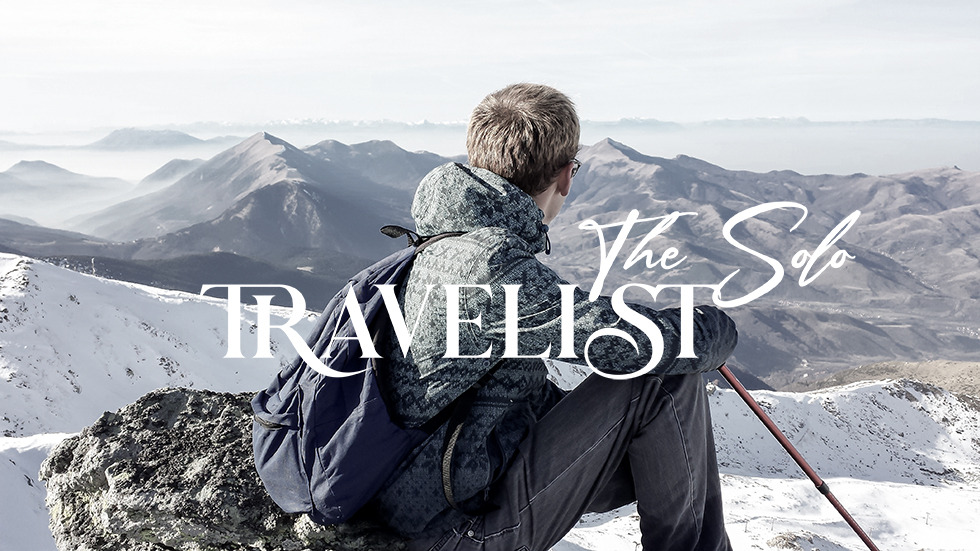
Solo travel offers a unique sense of freedom. Without the need to coordinate plans with others, travelers can move at their own pace, explore according to their interests, and fully immerse themselves in new environments. However, traveling alone can also bring moments of quiet and solitude that some people may find challenging.
Feeling occasional loneliness during solo travel is normal. Rather than trying to avoid it entirely, many experienced travelers learn how to navigate these moments while still enjoying the independence that solo journeys provide. The following approaches can help create a balanced and fulfilling solo travel experience.
Reframe Time Spent Alone
Spending time alone while traveling does not necessarily mean feeling lonely. Solo moments can provide valuable opportunities for reflection, observation, and deeper engagement with a destination.
Many travelers find that quiet activities such as journaling, reading in a café, or simply walking through a new neighborhood allow them to experience a place more thoughtfully. Research has also suggested that individuals who are comfortable spending time alone often develop greater creativity and emotional resilience.
Viewing solitude as a meaningful part of the journey can transform it into a positive aspect of travel rather than something to avoid.
Choose Social Accommodation
For travelers interested in meeting others, accommodation choices can make a significant difference. Hostels, guesthouses, and co-living spaces are often designed to encourage social interaction among guests.
Many of these accommodations organize communal activities such as shared dinners, walking tours, or group outings. Even travelers staying in private rooms can participate in these events or spend time in common areas where conversations with other guests often develop naturally.
These environments provide opportunities to connect with people from different backgrounds without requiring extensive planning.
Participate in Local Experiences
Joining a guided activity can provide both cultural insight and opportunities to meet fellow travelers. Cooking classes, walking tours, hiking excursions, and food tours often attract individuals who are also traveling independently.
Participating in one or two organized experiences during a trip can introduce new social interactions while still allowing the majority of the journey to remain flexible and self-directed.
Surveys of international travelers suggest that many solo travelers include at least one local experience during their trip, often describing these activities as memorable highlights.
Remain Open to Conversation
Meeting people while traveling does not require an outgoing personality. Simple interactions—such as sitting at a communal table, speaking with someone in a shared kitchen, or asking another traveler about their journey—can naturally lead to conversation.
Learning a few basic phrases in the local language can also encourage positive interactions with residents. Even a simple greeting or expression of thanks often helps build rapport and demonstrates respect for the local culture.
Small gestures and openness to brief conversations can lead to meaningful connections.
Use Technology to Connect
Digital platforms now make it easier than ever for solo travelers to connect with others. Various mobile applications and online communities allow travelers to meet locals, join events, or connect with individuals exploring the same destinations.
Language exchange platforms, travel networking apps, and local event groups can help solo travelers find social opportunities that align with their interests. Online travel communities can also provide useful recommendations and informal meetups.
These tools can enhance the social side of solo travel while maintaining independence.
Establish a Flexible Daily Routine
While spontaneity is part of the appeal of solo travel, having a loose structure to each day can create a sense of balance and purpose.
Simple habits—such as starting the day with a walk, visiting a museum, or setting aside time to write or reflect—can help establish a comfortable rhythm. A light routine can provide stability in unfamiliar surroundings while still leaving room for exploration.
This approach helps maintain energy and prevents the sense of disconnection that sometimes accompanies extended solo travel.
Document the Experience
Recording travel experiences through writing, photography, or video can be both reflective and rewarding. Documenting moments during the journey encourages mindfulness and provides a creative outlet.
Many travelers also find that revisiting these memories later—through journals or photographs—brings lasting enjoyment and reinforces the value of their experiences abroad.
Keeping a personal record of the journey can deepen the sense of connection to the places visited.
Final Thoughts
Solo travel often becomes a powerful experience of self-discovery. Without the familiar routines and social structures of everyday life, travelers gain a clearer understanding of their interests, values, and personal rhythms.
Moments of solitude may occur, but they are frequently balanced by unexpected conversations, new friendships, and a growing sense of independence. With the right mindset and a few thoughtful strategies, solo travel can become both socially enriching and personally rewarding.
For many travelers, the experience reveals that being alone does not necessarily mean being disconnected. Instead, it can open the door to deeper engagement with the world and with oneself.
Leave a Reply