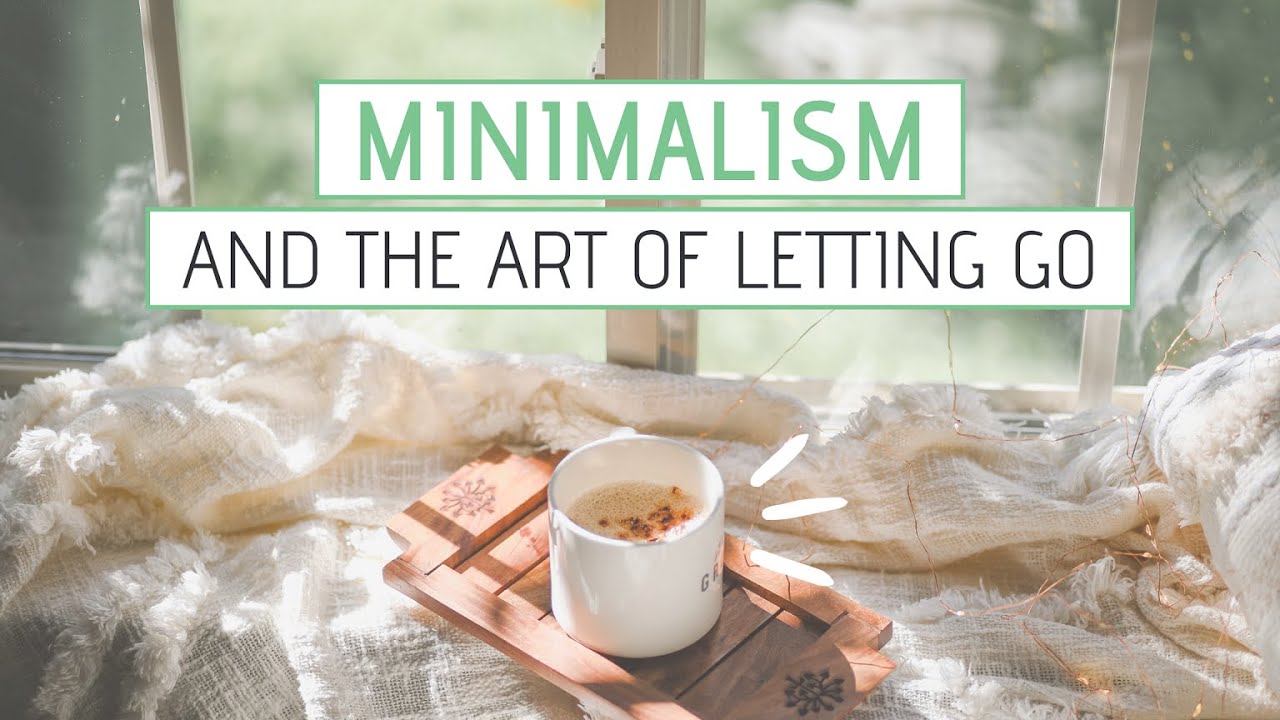
Several years ago, my living space was filled with belongings that had gradually accumulated over time. My schedule was constantly full, digital notifications were continuous, and my home felt more crowded than comfortable. At the time, it seemed like a normal reflection of a busy and productive lifestyle. In reality, it was creating a sense of constant overwhelm.
Discovering the concept of minimalist living introduced a different perspective. Rather than simply an interior design style, minimalism presented a broader approach to living more intentionally. Through the process of simplifying my surroundings and priorities, I began to recognize how reducing excess could create space for clarity and balance.
Here are some of the key insights that emerged from that transition.
Possessions Require More Than Physical Space
One of the most significant realizations was that every item we own requires a degree of attention, organization, and mental space. Clutter does not only occupy shelves and storage areas; it can also contribute to a sense of visual and mental overload.
Research has suggested that highly cluttered environments may contribute to elevated stress levels. As I began to remove items that were rarely used or kept solely out of habit, I noticed how much calmer my surroundings felt.
Decluttering did more than create additional physical space. It also reduced the constant background noise created by unnecessary possessions.
Studies have estimated that the average household in the United States contains hundreds of thousands of individual items, illustrating how easily accumulation can occur over time.
Fewer Choices Can Improve Daily Decisions
An unexpected benefit of simplifying possessions was the reduction of decision fatigue. For example, a large wardrobe filled with rarely worn clothing often made it more difficult to choose what to wear each day.
By narrowing my wardrobe to a smaller collection of reliable and comfortable pieces, daily decisions became easier and faster. A simplified approach to clothing did not eliminate variety or personal style, but it reduced the time and energy spent making routine choices.
Having fewer options can often lead to greater clarity and confidence in everyday decisions.
Minimalism Is Not About Deprivation
Minimalist living is sometimes misunderstood as an extreme lifestyle that requires giving up most possessions. In practice, minimalism focuses on intentional ownership rather than strict reduction.
The goal is not to remove everything, but to keep what genuinely serves a purpose or contributes positively to daily life. Each person defines their own sense of what is sufficient or meaningful.
For many people, this process involves letting go of items acquired through impulse purchases, obligation, or habit rather than genuine need.
Space Creates Room for What Matters
As physical and mental clutter decreased, other aspects of life became more noticeable. Time and attention shifted toward experiences, relationships, and personal well-being.
Simple routines such as quiet mornings, focused work, or meaningful conversations began to feel more valuable than acquiring additional possessions.
This shift in perspective often encourages prioritizing experiences and personal fulfillment over constant accumulation.
Interestingly, economist John Maynard Keynes once predicted that technological progress would allow future generations to work significantly fewer hours. Instead, many modern lifestyles have become increasingly filled with activity, consumption, and commitments.
Letting Go Becomes Easier with Practice
Minimalism is not a one-time effort but an ongoing practice. Learning to let go of unnecessary possessions, commitments, or digital distractions gradually becomes more natural with repetition.
Over time, the ability to release what no longer adds value can lead to a greater sense of freedom and simplicity.
The result is often a lifestyle that feels lighter, both physically and emotionally.
Final Thoughts
Minimalist living is not about reducing life to the bare minimum. Rather, it focuses on removing what does not contribute meaningfully so that attention can be directed toward what truly matters.
This approach is not rigid or universal. Each individual can adopt elements of minimalism in ways that suit their own lifestyle and priorities.
For those who feel overwhelmed by excess—whether physical, digital, or emotional—starting with small changes can be surprisingly impactful. Simplifying a single drawer, reducing digital clutter, or reassessing daily commitments can gradually create space for a more balanced and intentional life.
Leave a Reply