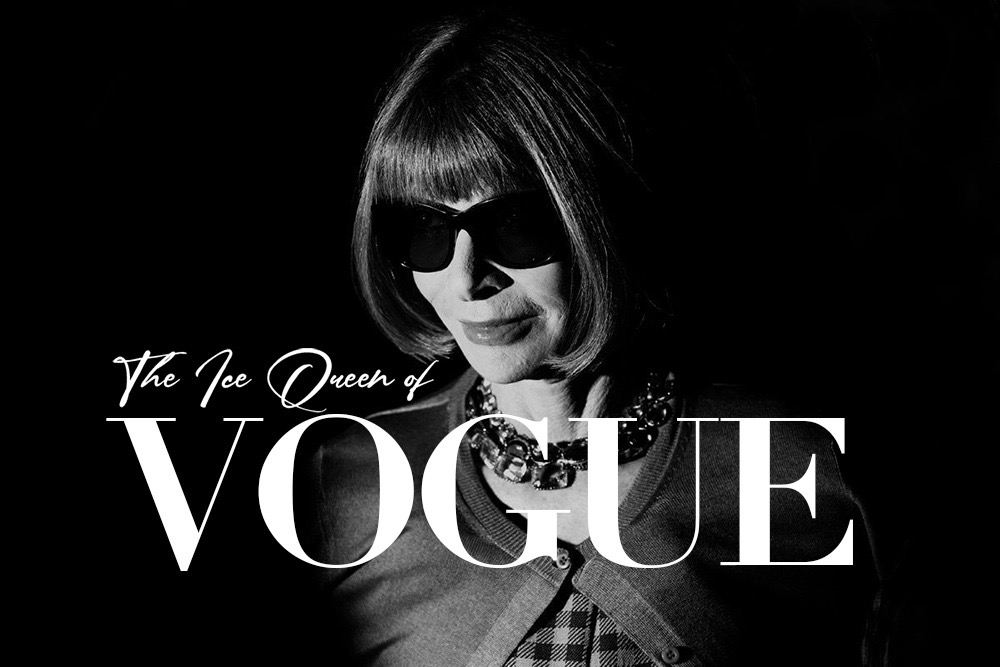
After more than three decades at the helm of Vogue, Anna Wintour has officially stepped down from her role, marking the end of one of the most influential editorial tenures in modern fashion history. Since assuming leadership in 1988, Wintour reshaped the magazine into a global cultural authority, defining trends, elevating designers, and shaping the intersection of fashion, media, and celebrity.
Her departure signals a significant transition not only for Vogue but for the wider fashion industry, which has long viewed the publication as a central stage for creative direction and cultural influence.
The Question of Succession
With Wintour’s departure, attention has quickly shifted to who might lead the next chapter of Vogue. While no official announcement has been made, several prominent figures within the fashion and editorial world are widely discussed as potential successors.
Edward Enninful, former editor-in-chief of British Vogue, is often cited as a leading candidate. Known for modernizing the magazine’s visual language and expanding representation on its covers, Enninful has demonstrated a capacity to connect fashion with contemporary cultural narratives.
Grace Coddington, long recognized for her creative direction and distinctive editorial vision, also remains a respected figure within the industry. Her contributions helped shape many of Vogue’s most memorable fashion stories, and her name continues to surface in discussions about the magazine’s future direction.
There is also the possibility that Condé Nast could appoint an unexpected outsider—someone capable of redefining the magazine’s identity for a new generation. Industry observers have speculated about creative leaders from photography, design, or entertainment who might bring a fresh perspective to the role.
The Future of the Met Gala
Wintour’s influence extends far beyond the pages of Vogue. For nearly three decades she has overseen the Met Gala, transforming the annual fundraiser for the Costume Institute at the Metropolitan Museum of Art into one of the most closely watched cultural events in the world.
Her departure from Vogue raises questions about how the event may evolve moving forward. While the gala’s structure and prestige are well established, Wintour’s role in curating guest lists and shaping its cultural significance has been central to its identity.
Industry observers will be watching closely to see whether the event maintains its established tone or gradually adopts a new creative direction under future leadership.
A Lasting Editorial Legacy
During her tenure, Wintour introduced a distinct editorial philosophy that fundamentally changed the magazine industry. One of her most recognizable innovations was simplifying the magazine’s visual presentation—placing strong cover portraits and minimal text at the center of each issue.
This approach helped modernize fashion publishing and made the Vogue cover one of the most recognizable formats in global media. The September Issue, traditionally the magazine’s most important edition of the year, became a cultural event in its own right under her leadership.
Her successor will inherit not only a historic brand but also the challenge of maintaining its authority in a media landscape increasingly shaped by digital platforms, social media, and new forms of visual storytelling.
What Lies Ahead for Anna Wintour
Although stepping down from Vogue, Wintour’s influence in fashion and media is unlikely to diminish. With decades of experience shaping the global fashion conversation, she remains one of the industry’s most respected figures.
Whether through advisory roles, strategic leadership within Condé Nast, or broader cultural initiatives, her presence will likely continue to shape fashion’s future.
A Defining Moment for Fashion Media
Anna Wintour’s departure marks the close of a defining era in fashion publishing. For more than three decades, she guided Vogue through major cultural shifts while maintaining its position as one of the most influential magazines in the world.
As the industry looks ahead to its next editorial leader, the transition represents both an end and a beginning—an opportunity to preserve Vogue’s legacy while redefining its voice for the years to come.

Leave a Reply