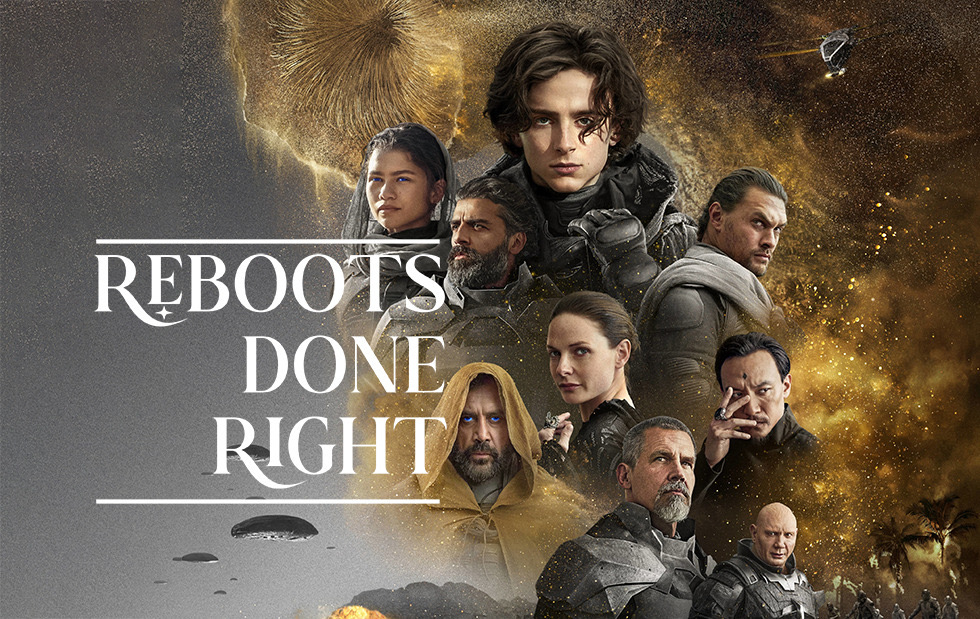
Film reboots often face skepticism from audiences. Many viewers associate them with a lack of originality, as familiar stories are revisited repeatedly across different eras. However, when approached thoughtfully, a reboot can offer more than repetition. The strongest examples respect the legacy of the original while introducing a perspective that resonates with contemporary audiences.
Several modern reboots have demonstrated how familiar stories can be revitalized through strong direction, casting, and a clear creative vision.
Spider-Man: Homecoming (2017)
Following multiple cinematic interpretations of the character, Spider-Man: Homecoming presented a refreshing approach. Rather than revisiting Peter Parker’s origin story, the film focused on his early experiences balancing adolescence with the responsibilities of becoming a superhero.
Tom Holland’s portrayal captured the youthful energy and vulnerability that define the character, emphasizing Peter Parker as a teenager navigating everyday challenges alongside extraordinary ones. Michael Keaton’s performance as the Vulture added depth to the film’s central conflict, creating a grounded and compelling antagonist within the Marvel Cinematic Universe.
Dune (2021)
Denis Villeneuve’s adaptation of Dune represents a carefully executed reinterpretation of Frank Herbert’s science fiction classic. While the earlier 1984 film had its own following, the 2021 version approached the story with greater emphasis on scale, visual storytelling, and narrative clarity.
The film’s immersive world-building and deliberate pacing allow the complex political and cultural dynamics of the universe to unfold naturally. Timothée Chalamet delivers a restrained yet compelling performance as Paul Atreides, supported by an ensemble cast that brings credibility and depth to the story’s expansive setting.
Sherlock Holmes (2009)
Guy Ritchie’s Sherlock Holmes offered a distinctive reimagining of the iconic detective. Starring Robert Downey Jr. as Holmes and Jude Law as Dr. Watson, the film introduced a more dynamic and action-oriented interpretation of the characters while retaining their intellectual appeal.
Downey Jr.’s energetic performance emphasized Holmes’ eccentricity and analytical brilliance, while Law’s Watson provided a balanced and capable counterpart. The film’s stylish direction and strong character chemistry contributed to a fresh yet recognizable portrayal of the classic detective partnership.
Ghostbusters: Afterlife (2021)
Ghostbusters: Afterlife approached the franchise with a tone that emphasized continuity and legacy. Rather than attempting a direct reinvention, the film expanded the original universe by introducing a new generation of characters connected to the earlier story.
The narrative integrates nostalgia with new perspectives, allowing long-time fans to reconnect with the franchise while welcoming new audiences. Performances from the younger cast, alongside supporting roles from established actors, help create a balanced and respectful continuation of the series.
Dawn of the Dead (2004)
Zack Snyder’s remake of Dawn of the Dead brought a modern intensity to George A. Romero’s influential horror classic. While the original remains a landmark in the genre, the 2004 version introduced a faster pace and heightened tension, including the now-famous portrayal of rapidly moving zombies.
The film retained the core premise of survivors navigating a crisis within a shopping mall, but its updated tone and visual style created a distinct experience that appealed to contemporary audiences.
The Batman (2022)
Matt Reeves’ The Batman offered a darker, more introspective interpretation of the iconic character. Robert Pattinson’s portrayal emphasized Bruce Wayne’s early years as a vigilante, focusing on his investigative abilities and psychological complexity.
The film’s noir-inspired atmosphere, deliberate pacing, and detailed visual style contribute to a grounded interpretation of Gotham City. Paul Dano’s unsettling portrayal of the Riddler further reinforces the film’s emphasis on mystery and tension, distinguishing this version within the broader history of Batman adaptations.
Final Thoughts
Reboots remain a common feature of modern filmmaking, but their success depends on thoughtful reinterpretation rather than simple replication. When filmmakers respect the source material while introducing meaningful creative updates, familiar stories can gain renewed relevance.
These examples illustrate how reboots can honor their origins while offering audiences a fresh and engaging perspective on well-known narratives.

Leave a Reply