The train doors slid open with a soft sigh, and the cool morning air of the small coastal town drifted in like a quiet invitation.
It carried the scent of salt, faint wood smoke, and something sweet—perhaps bread baking somewhere down the street. The station itself was modest, little more than a platform and a pale yellow building whose paint had faded gently under decades of sun. Beyond it stretched a town that did not seem particularly eager to impress anyone.
No neon signs. No glossy cafés. No urgency.
Just narrow streets slowly waking to the rhythm of another day.
A man sweeping outside a small shop paused to nod as I passed. Down the road, a bakery door opened briefly and released a warm cloud of yeast and sugar into the morning air. Somewhere further away, church bells rang with the unhurried confidence of a place that had no reason to rush.
It was in this quiet town—one of those places that rarely appears on maps or trending travel lists—that I began to understand something unexpected.
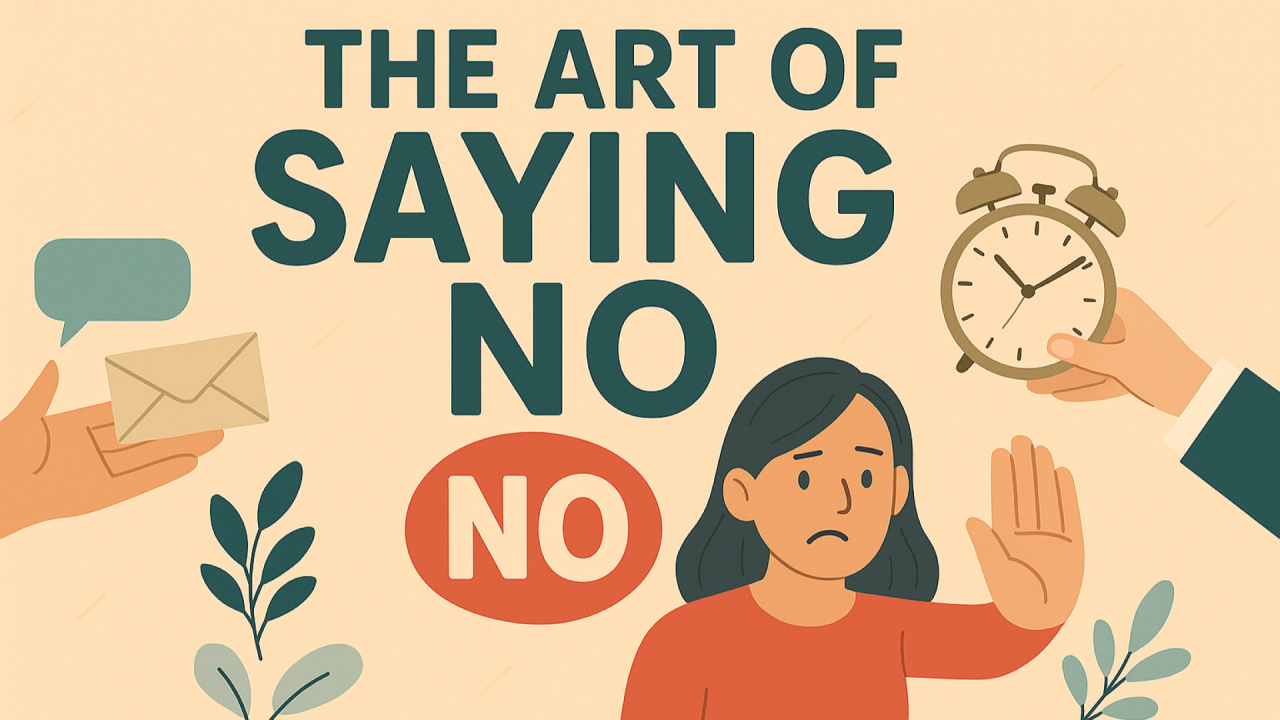
Here, people had mastered the art of saying no.
And in doing so, they had created something quietly beautiful.
The Slow Rhythm of a Place That Refuses to Hurry
At first, the town seemed almost stubborn in its pace.
Shops opened when their owners arrived, not when a clock demanded it. Cafés closed in the early afternoon for long lunches that stretched into conversation. Even the fishermen who returned with the morning tide worked without urgency, their voices carrying easily across the harbor as they sorted nets and shared stories.
Visitors accustomed to cities sometimes grew impatient.
“Is the museum open today?” someone asked the owner of a small gallery one afternoon.
“Perhaps tomorrow,” she replied with a gentle smile, before returning to the delicate ceramic bowl she was shaping on her wheel.
There was no apology in her voice. Just clarity.
Over time, I began to notice how deeply this rhythm shaped daily life. People here did not seem interested in saying yes to every opportunity, every request, every demand on their time.
Instead, they chose carefully.
The café owner closed his doors at sunset, even during the busiest weeks of summer. The fisherman declined a lucrative offer to expand his boat business because it would keep him away from his family.
A local baker explained it simply one morning while dusting flour from his hands.
“If you say yes to everything,” he said, “you slowly disappear.”
The Beauty of Hidden Corners
Walking through the town revealed quiet spaces that felt almost untouched by modern acceleration.
Stone alleys twisted gently between centuries-old houses, their balconies overflowing with geraniums and climbing vines. In the early afternoon, sunlight filtered through narrow passages, illuminating worn cobblestones polished smooth by generations of footsteps.
Behind one unmarked wooden gate lay a courtyard garden where jasmine vines climbed the walls and a small fountain murmured softly beneath fig trees.
No signs pointed here. No guidebooks mentioned it.
It simply existed, quietly offering itself to those who moved slowly enough to notice.
Even the local food reflected this same philosophy of restraint.
In a small family-run tavern by the harbor, lunch arrived without ceremony: grilled fish brushed with olive oil, tomatoes sliced thick and sprinkled with sea salt, bread still warm from the oven. The flavors were clear and unpretentious, each ingredient allowed to speak without complication.
When I asked the owner why the menu was so small, she laughed softly.
“We cook what the sea and the garden give us,” she said. “Nothing more.”
In a world obsessed with abundance and choice, there was something deeply calming about that answer.
The People Who Know Their Boundaries
Perhaps the most memorable encounter happened on my third evening in town.
I had wandered into a small workshop tucked between two stone houses. Inside, an elderly woman sat at a wooden table weaving baskets from reeds gathered along the nearby river.
Her hands moved with a quiet certainty, the reeds bending and crossing in a rhythm that seemed almost meditative.
When I asked how long she had been weaving, she paused to consider the question.
“Since I was a girl,” she said.
The baskets were simple but beautiful—each one slightly different, each carrying the marks of careful craftsmanship.
I asked if she sold them to tourists.
“Sometimes,” she replied.
Then she added something that lingered with me long after I left.
“But only when I want to.”
She explained that many people had suggested she expand the business. Open a shop. Sell online. Increase production.
She had declined.
“I like making them slowly,” she said, lifting a finished basket into the light. “If I make too many, they stop being beautiful.”
Her words held the quiet wisdom of someone who had learned that boundaries are not limitations.
They are protections.
A Lesson Carried Beyond the Journey
On my final morning in the town, I returned to the harbor just after sunrise.
The water was calm, reflecting a pale sky streaked with soft gold. Fishermen prepared their boats while seabirds drifted overhead, their calls echoing gently across the quiet water.
There was no rush.
Just movement guided by necessity and care.
Travel often teaches us about geography, culture, or history. But sometimes the most valuable lessons arrive through observation—through noticing how other people shape their lives.
In this small town, the lesson was simple yet profound.
Saying no is not an act of rejection. It is an act of preservation.
It preserves time. Energy. Identity.
The people here understood that every yes carries a cost. Every commitment draws a little more of ourselves into the world’s demands.
But when we choose our yeses carefully, something remarkable happens.
We remain present in our own lives.
The Quiet Courage of Self-Respect
In a world that often celebrates constant availability—answering every message, accepting every invitation, pursuing every opportunity—the art of saying no can feel almost radical.
Yet the quiet town by the sea had shown me something different.
Self-respect is not loud.
It does not demand attention or admiration.
Instead, it appears in small daily choices: closing the café at sunset, cooking only what the garden offers, weaving baskets only when the hands feel ready.
It appears whenever someone chooses presence over pressure.
As the train carried me away from the town later that day, the scent of salt still lingering faintly in the air, I realized that this lesson had little to do with travel.
It was about living.
Because sometimes the most beautiful form of self-respect is not what we accept.
It is what we gently, confidently decline.
Leave a Reply