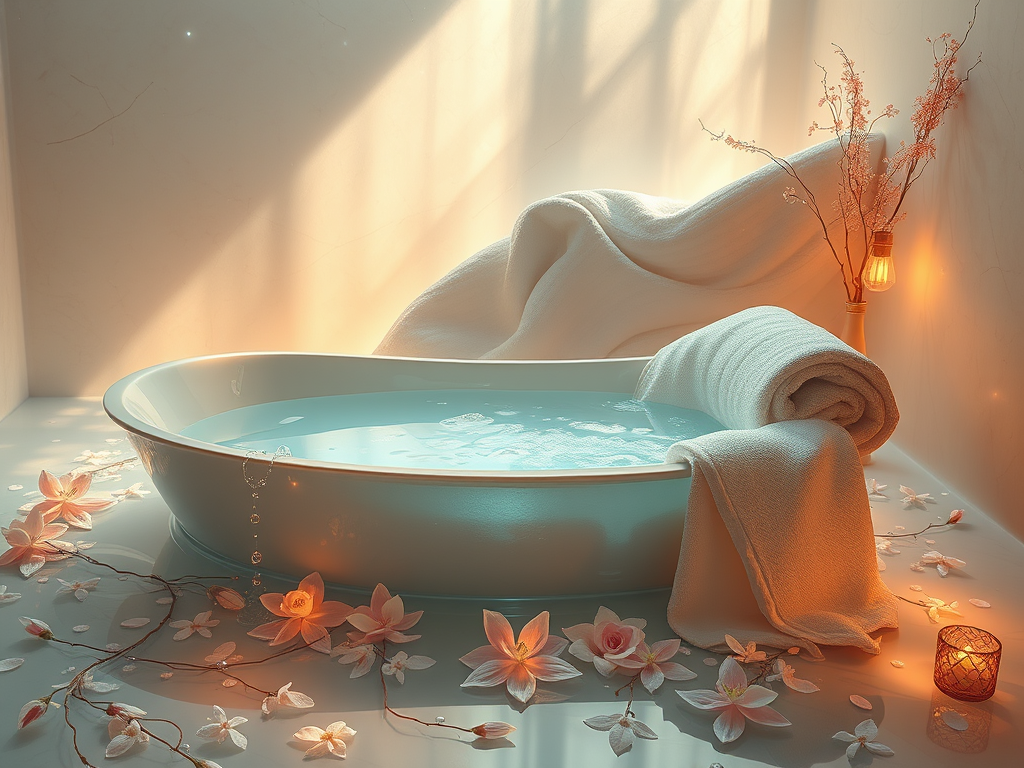
There is a quiet moment that happens every time water touches the skin. A soft pause. A subtle reset. In that split second, the world grows still enough for us to remember that beauty has always begun with something elemental. Before serums, before devices, before the vocabulary of actives and percentages, there was simply water—and the rituals built around it.
Today’s wellness culture, with its fascination for “glass skin,” hydro-essences, and minimalist reset routines, might look forward-thinking. But in truth, it is circling back to something far older: the ancient understanding that water is not just cleansing—it is transformative.
The Echo of Ancient Waters
1. Cleopatra and the Alchemy of Bathing
Centuries before the concept of “spa day,” Cleopatra understood the psychology of immersion. Her famed milk-and-honey baths were more than indulgence; they were an early form of sensory therapy. Surrounded by warm, scented water, she crafted a ritual that nourished not only the skin but also the mind. For Cleopatra, water was a medium through which she reclaimed calm and presence.

2. Roman Thermae and the Art of Letting Go
The Romans elevated bathing to a communal practice—a structured, multi-step ritual that transitioned the body from heat to cold, tension to release. Steamy caldariums opened pores, frigid plunges awakened the senses, and conversations in the tepidarium offered emotional unburdening. Bathing wasn’t hygiene; it was a reset for the entire system.

3. Japanese Onsens and the Quieting of the Mind
In Japan, natural hot springs remained sacred sanctuaries. The mineral-rich waters softened the skin, but the true transformation lay in the silence. Onsen culture teaches a reverence for stillness, encouraging bathers to breathe with intention and let their thoughts sediment like silt at the bottom of a pool.

4. Korean Bathhouses and Ritual Rebirth
From the jjimjilbang’s heated jade rooms to the exfoliating scrubs that leave skin renewed, Korean water rituals emphasize purification—both literal and symbolic. Emerging from these spaces often feels like re-entering the world with a lighter spirit and clearer focus.
Across continents and epochs, the pattern remains the same: water has always been the earliest form of self-restoration.

How These Ancient Practices Shape Today’s Beauty Trends
- Hydration as the Modern Ideal – The global fascination with Korean “glass skin” reflects an old belief: radiant skin begins with deep hydration. Multiple layers of water-based treatments echo the phased rituals of ancient bath cultures, coaxing the skin into equilibrium.
- Cleansing as Emotional Reset – Today’s contrast showers, magnesium baths, and steam rituals mirror Roman and Japanese approaches—using temperature, immersion, and breath to calm the nervous system and re-center the body.
- Minimalism with Purpose – The move toward intentional, fewer-step routines resembles ancient practices where rituals were slow, meaningful, and sensory—not rushed or crowded.
- Transforming Habit into Ritual – Mindful cleansing—warming the face, savoring the water’s temperature, inhaling subtle aromas—recreates the emotional depth found in onsens and thermae. Water becomes a moment, not a chore
The Benefits: More Than Skin-Deep
- For the Skin – Water remains the foundation of radiance. It supports the barrier, boosts elasticity, improves absorption, and helps natural renewal cycles function smoothly.
- For the Body – Warm immersion can ease muscles, improve circulation, regulate stress hormones, and encourage more conscious breathing.
- For the Mind – Perhaps the most overlooked benefit: mental decluttering. Water rituals create micro-sanctuaries—brief pockets where the mind can soften, sort, and return to stillness.
A Modern Ritual for Today’s World
Reimagining ancient wisdom doesn’t require access to palaces or mountain springs. It calls for presence. A warm cloth before cleansing. One deep breath under the shower before stepping out. A weekly soak infused with a scent that quiets the day.
These small gestures echo a universal truth embedded in centuries of practice: water invites renewal.
The glass skin glow many seek today is only one expression of that. The deeper message—carried from Cleopatra’s bath chambers to modern bathrooms—is about allowing ourselves to begin again. To shed the mental residue of the day. To return to softness, clarity, and the simple human pleasure of being restored by water.
In the end, water rituals are less about beauty and more about becoming present in your own life. And perhaps that is the most timeless ritual of all.
Leave a Reply